Negotiating etiquette at local markets

Bali Nusa Transport

Walking into Ubud Market or Sukawati can be a sensory overload. Bright fabrics, hand-carved statues, and the scent of incense fill the air. But for many, the 'haggling' process is intimidating. Don't worry—in Bali, it's a social dance, not a battle.
≡Jump to Section
1. The Morning 'Penglaris' Blessing
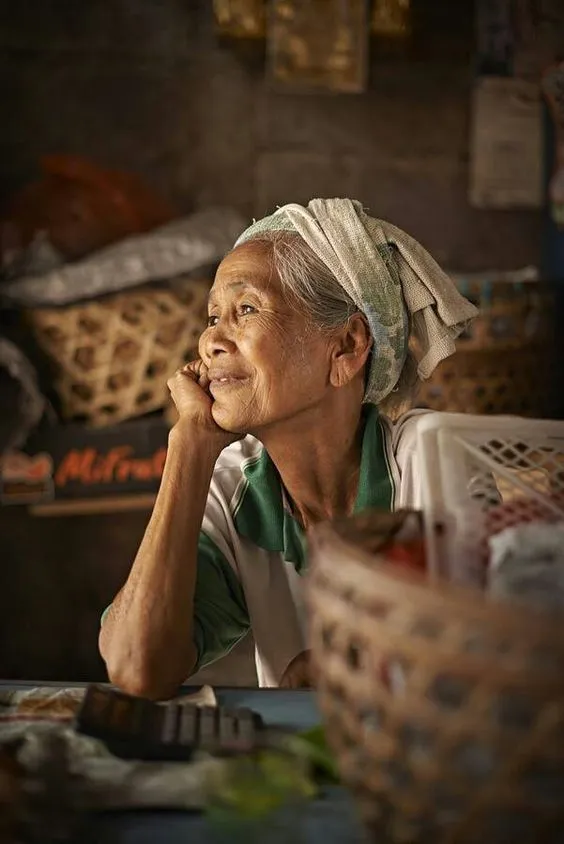
In Balinese market culture, the first sale of the day is sacred. It is called 'Penglaris' or 'Garus', believed to set the energy for the entire day's trade. If a vendor makes a quick, smooth sale first thing in the morning, they believe good luck will flow; if the first customer leaves without buying, it is a bad omen.
Savvy travelers can use this to their advantage. Visit the markets (like Ubud Art Market or Sukawati) early, between 6:00 AM and 9:00 AM. Vendors are often willing to drop their prices significantly—sometimes barely breaking even—just to secure that vital 'morning blessing' of the first cash transaction.
However, with great power comes responsibility. Do not start a negotiation first thing in the morning if you have absolutely no intention of buying. If you haggle hard, the vendor agrees, and then you walk away, it is considered extremely rude and spiritually damaging to their day.
You will often see vendors tapping the money you paid on their wares after the sale. This is a ritual to transfer the luck of the money onto the remaining stock, hoping it will also sell quickly. It's a charming glimpse into the spiritual mindset accompanying daily commerce.
Pro Tip: Bring small change. If you agree on 50k and hand over a 100k note requiring change, it slows down the energy. Exact change is appreciated and speeds up the 'Penglaris' ritual.
2. Finding Treasures in Art Markets
After 9:00 AM, many morning markets transform into 'Pasar Seni' or Art Markets. Places like Sukawati, Guwang, and Ubud Art Market are famous for hand-woven baskets (ata bags), silk sarongs, and intricate wood carvings. Each market often has a specialty; for example, Sukawati is best for bulk sarongs and textiles, while Ubud is known for more artistic houseware.
3. The Art of Respectful Bargaining

Western bargaining is often transactional and cold. Balinese bargaining is social and warm. It is meant to be a friendly game or a dance. The moment you show anger, frustration, or raise your voice, you have lost. The vendor will shut down or refuse to sell to you out of principle.
Start by greeting them with a smile and a polite 'Berapa?' (How much?). When they give the opening price (which is usually 3-5 times the real price), react with a playful shock/laugh rather than offense. Counter-offer with about 30-40% of their asking price. Then the ping-pong game begins.
Humor is your best weapon. Compliment their shop, joke about being 'broke students' or 'already spent all money on Bintang'. Making the vendor laugh almost always guarantees a better price than stern logic. Remember, they are people first, merchants second.
The 'Walk Away' move is the ultimate test. If you are stuck at a price, politely say 'Thank you, maybe later' and slowly walk away. If the price can go lower, they will call you back immediately. If they let you go, you know you have truly reached their bottom price.
The Golden Rule
A good deal is when both parties smile. If you squeeze the vendor so hard they look unhappy selling it, you've gone too far. Paying an extra 50 cents (IDR 7,500) might mean nothing to you but can buy a meal for them. Be generous.
4. When Not to Bargain

Bargaining is strictly for traditional markets (Pasar Seni), street stalls, and some independent art galleries. It does NOT apply to convenience stores (Indomaret/Circle K), supermarkets, shopping malls, pharmacies, or restaurants with printed menus.
Also, be mindful of 'Morning Price' vs 'Fixed Price' sections. Some modern markets now have fixed-price tags to help tourists who hate haggling. Respect the tag if you see one.
For fresh fruit/produce in traditional markets, bargaining is possible but usually the margins are smaller. Don't haggle aggressively over a kilo of snake fruit (salak) worth IDR 10,000. The farmers barely make a profit as it is.
Artisanal goods directly from the maker (e.g., a painter in his studio or a silversmith) deserve a different approach. You are paying for skill and time, not just a commodity. Offer a respectful price that honors their craft.
If you have a local guide or driver, let them help casually, but don't ask them to negotiate aggressively for you against their own people. It puts them in an uncomfortable social position.
Don't Get Soaked. Travel in Style!
Don't risk your safety on a slippery scooter. Enjoy Bali's tropical vibes comfortably with Bali Nusa Transport. Our fleet is ready to take you anywhere, rain or shine.