How to dress for Temple visits

Bali Nusa Transport
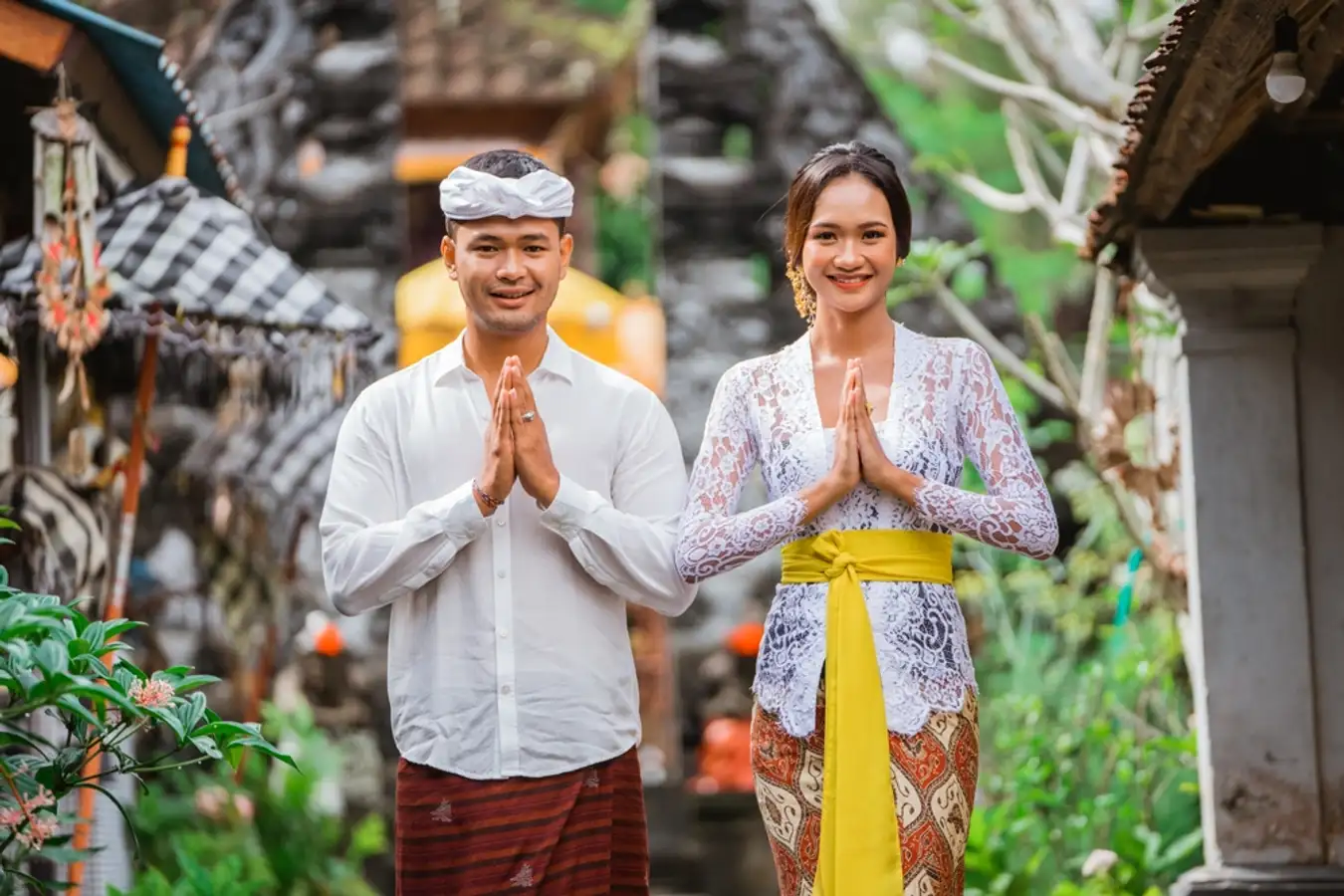
Visiting a Balinese Hindu temple (Pura) is a highlight of any trip to the Island of Gods. However, these are active places of worship, not just tourist attractions. Understanding the 'Adat' (customary law) regarding dress is crucial to being a respectful guest.
≡Jump to Section
1. The Essential Duo: Sarong & Sash
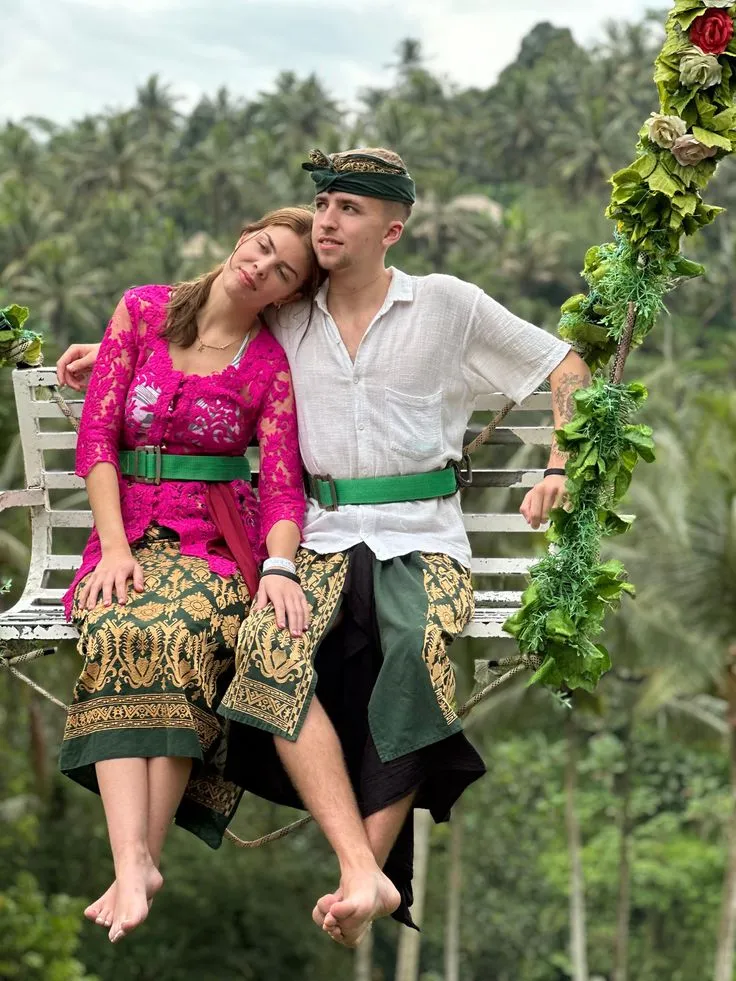
The most fundamental rule of Balinese temple attire is the 'Kamen' (sarong). Regardless of your gender or current fashion (even if you are wearing long pants), a sarong is mandatory in most major temples. It is a cloth wrapped around the waist to cover the legs down to the ankles/calves. The cloth ensures that the lower part of the body, considered less pure, is respectfully concealed.
Accompanying the sarong is the 'Selendang' (sash), a piece of cloth tied around the waist. This is not just a belt; it holds deep symbolic meaning. It represents the separation between the lower world of human instincts (lust, hunger) and the upper world of the spirit. By tying the sash, you essentially 'bind' your earthly desires to enter the holy space with a pure mind.
Choosing a sarong can be part of the fun. Patterns range from traditional 'Endek' (woven ikat) to modern batik prints. While rentals are often plain, buying your own allows you to pick colors that resonate with you. There is no strict color code for visitors, though white and yellow are often reserved for devotees praying.
How to wear it? For men, the sarong usually has a fold in the front called 'Kancut' which trails near the ground, symbolizing authority and masculinity. For women, it is wrapped tightly to create a slim silhouette. Detailed videos are available online, but locals are always happy to help you wrap it correctly at the entrance.
Rent vs Buy
Major temples like Besakih or Uluwatu include sarong rental in the ticket price or for a token fee. However, we recommend buying a beautiful batik sarong at a local market (approx. IDR 50k-100k). It serves as a versatile beach towel later and is a great souvenir.
2. Upper Body Modesty
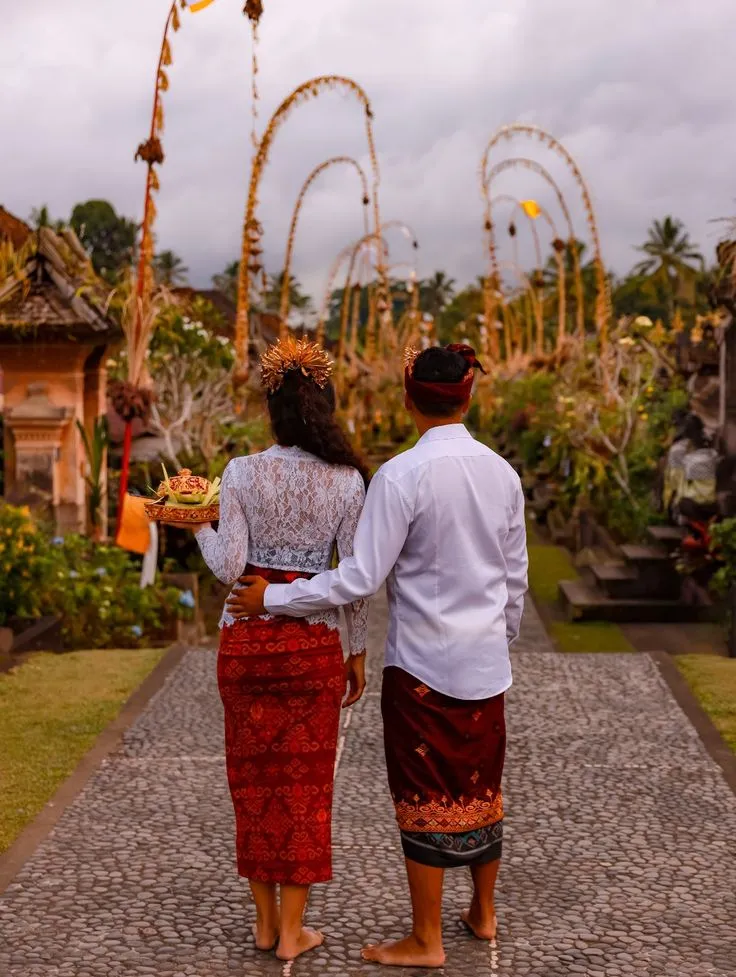
While the legs are covered by the sarong, the upper body requires equal attention. The general rule is simple: cover your shoulders and midriff. This applies to both men and women. Temples are not places to flaunt beach bodies, no matter how hot the weather is.
Avoid tank tops, spaghetti straps, deep V-necks, or crop tops. If you are wearing a sleeveless dress, simply bring a shawl or a light cardinal to drape over your shoulders before entering. This small gesture of modesty goes a long way in showing respect to the resident deities and the worshippers.
For men, a T-shirt or a collared shirt is perfectly acceptable. You do not need to wear the traditional white safari shirt and 'udeng' (headdress) unless you are actually praying, though wearing them is seen as a sign of high respect. Going shirtless is strictly prohibited anywhere within the temple complex.
If you are on an impromptu trip and didn't pack compliant clothes, don't worry. The larger temples often lend shawls along with sarongs. However, at smaller, village temples, this facility might not be available, so keeping a light scarf in your scooter seat or day bag is a pro traveler move.
Note on hair: While there is no rule to cover your hair (unlike in mosques), tying long hair back is considered neat and polite. It also helps keep you cool in the humidity/heat of the temple courtyards.
3. Sacred Rules Beyond Clothing

Dress is just the first step; behavior is the second. The most strictly enforced rule concerns menstruation. Women are not permitted to enter the temple complex while on their period. This stems from the concept of 'Cuntaka' or spiritual impurity related to blood (this rule also applies to anyone with an open wound or who has recently lost a close relative). It is not about discrimination but about maintaining the vibrational purity of the sanctuary.
Be mindful of your physical position. Never position your head higher than the priest or the 'Peligngih' (shrines). If the priest is sitting on the floor, you should sit on the floor too. Climbing onto walls or statues for a selfie is a grave offense and can lead to deportation in extreme cases.
Do not walk in front of people who are praying. The line of connection between a devotee and the shrine is sacred. Cross behind them if you must move. Photography is allowed, but always use zoom lenses to keep a respectful distance from worshippers in trance or prayer.
Keep your voice low. Temples are places of meditation. Loud laughter or shouting disrupts the sanctity. If you have children, ensure they understand that this is a 'quiet zone' similar to a library or a church.
Finally, never point your feet at a shrine. If you sit on the ground, sit cross-legged ('bersila') for men or with legs tucked to the side ('metimpuh') for women. Pointing the soles of your feet towards the altar is considered extremely rude in Balinese culture.
Don't Get Soaked. Travel in Style!
Don't risk your safety on a slippery scooter. Enjoy Bali's tropical vibes comfortably with Bali Nusa Transport. Our fleet is ready to take you anywhere, rain or shine.