Bali Traditional Markets: A Guide to Bargaining & Etiquette

Bali Nusa Transport
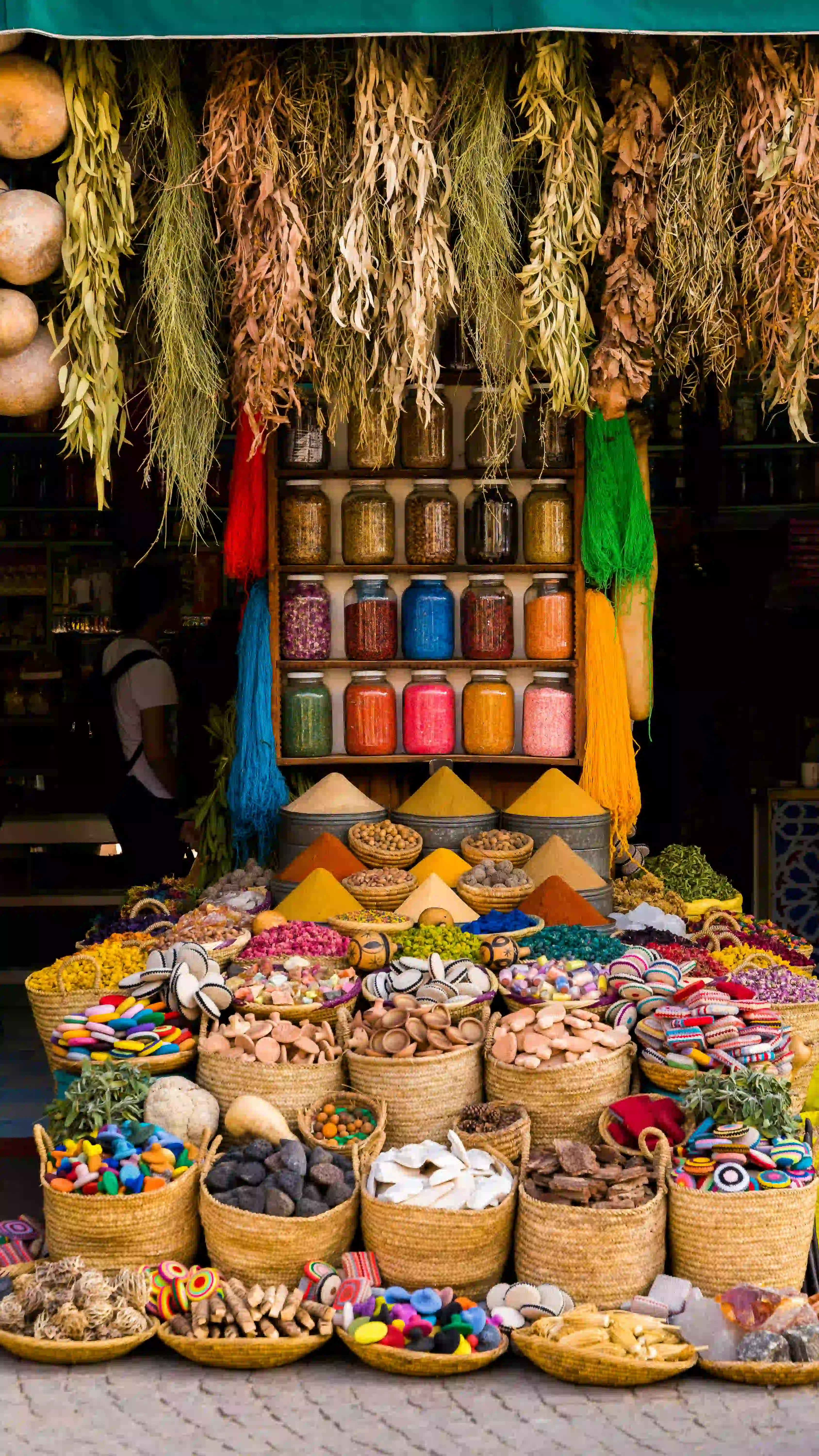
To find the soul of Bali, you must follow the scent of incense and fresh ginger to the local 'Pasar' (market). From the dawn vegetable markets used by locals to the vibrant art markets filled with handicrafts, these centers of commerce are where Balinese life happens. But for the uninitiated, the haggling culture can be a bit overwhelming.
≡Jump to Section
1. The Morning Ritual
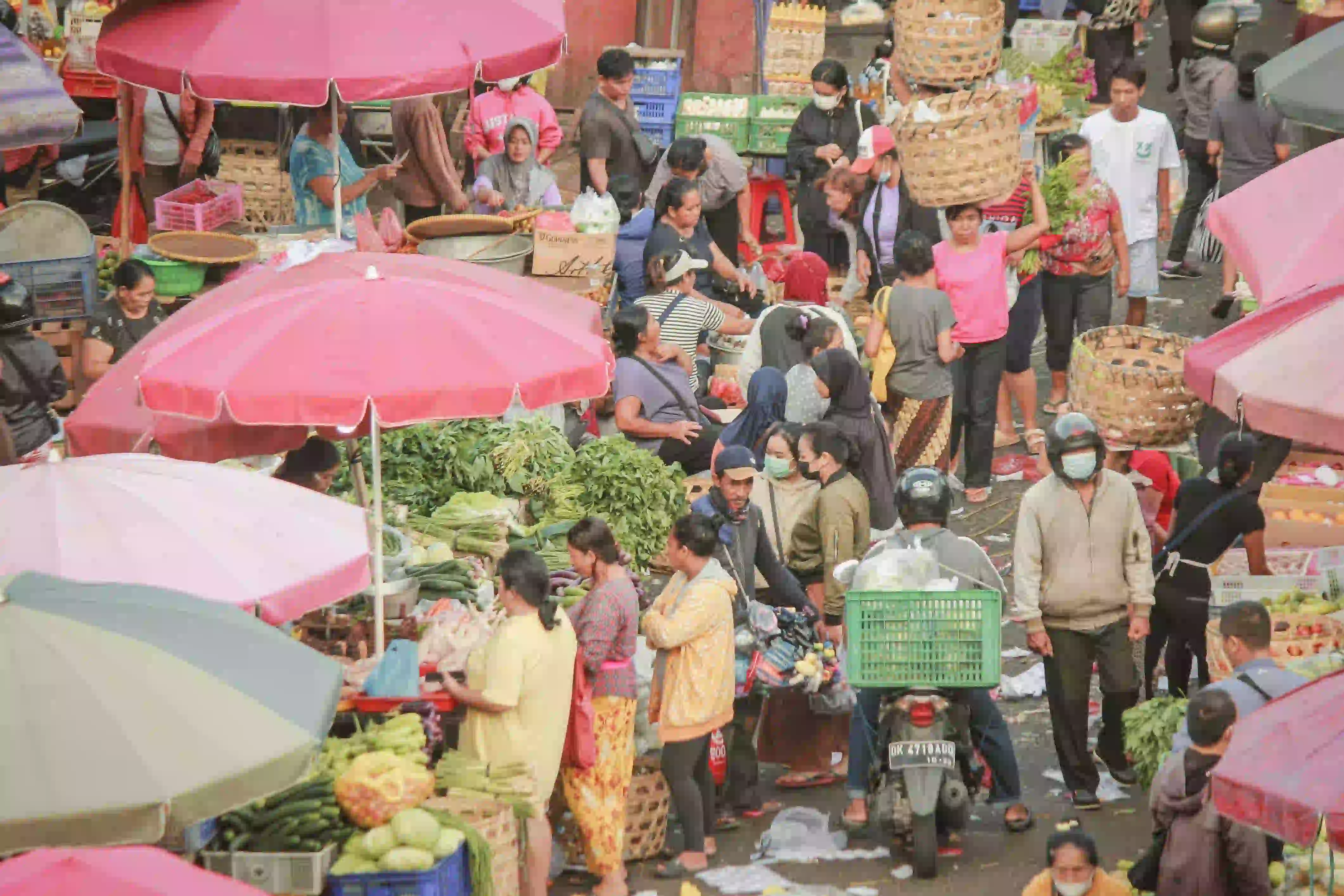
If you want to experience a real market, you have to wake up early. Between 5:00 AM and 8:00 AM, markets like the Ubud Morning Market or Badung Market in Denpasar are a frenzy of activity. This is where locals buy their daily offerings, fresh fish, and spices. It's loud, wet, and incredibly authentic. It's also the best place to find traditional Balinese snacks (Jajanan Pasar) for just a few cents.
2. Finding Treasures in Art Markets
After 9:00 AM, many morning markets transform into 'Pasar Seni' or Art Markets. Places like Sukawati, Guwang, and Ubud Art Market are famous for hand-woven baskets (ata bags), silk sarongs, and intricate wood carvings. Each market often has a specialty; for example, Sukawati is best for bulk sarongs and textiles, while Ubud is known for more artistic houseware.
3. The Art of Respectful Bargaining
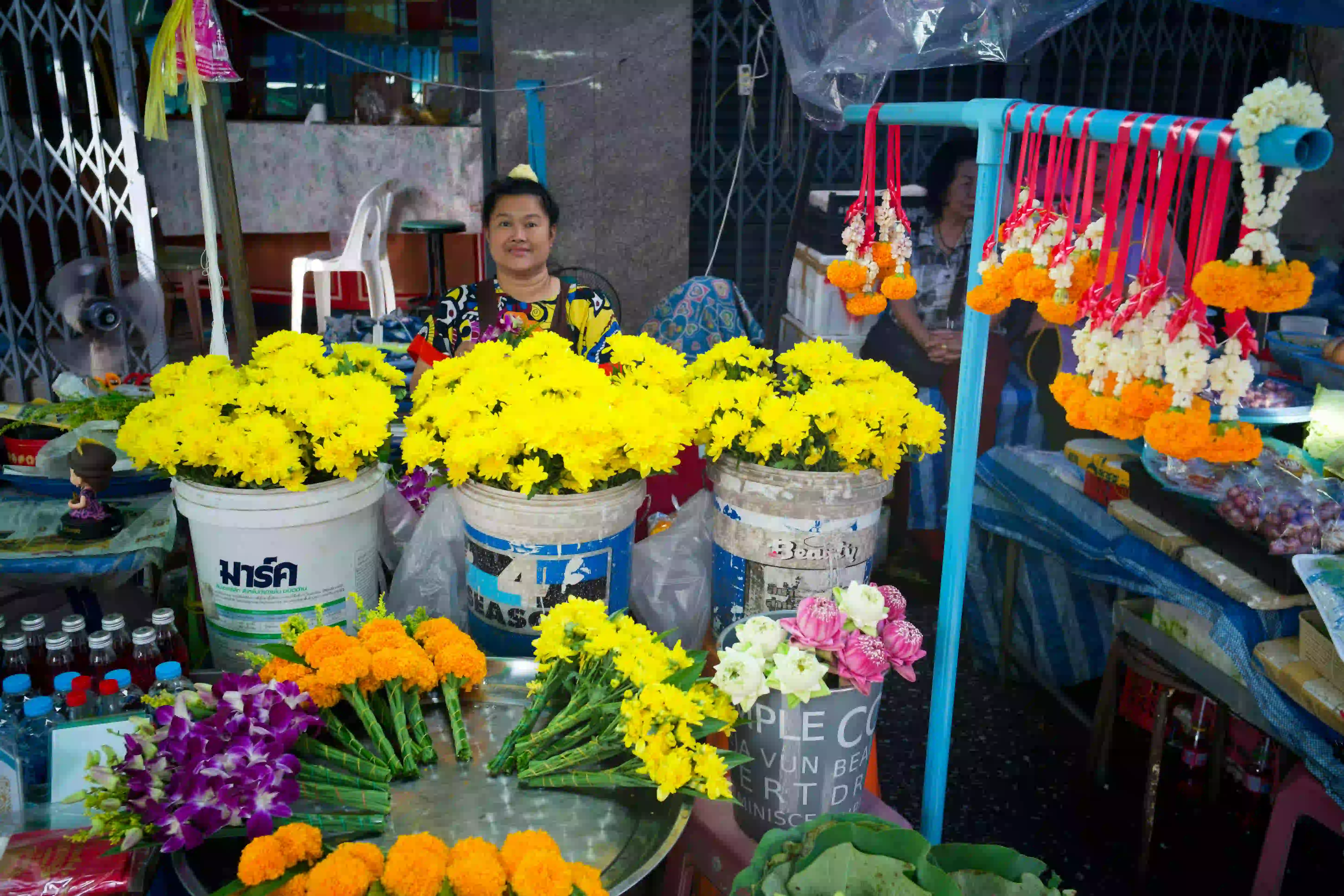
Bargaining is expected in traditional markets, but it should always be done with a smile. It's a social interaction, not a battle. A good rule of thumb is to start at about 50-60% of the initial asking price and meet somewhere in the middle. Remember, what might be a dollar to you can be a significant amount for a local vendor.
Morning Luck
Being the 'first customer' of the day is considered good luck (Penglaris) in Balinese culture. Vendors are often more willing to give a better price to secure that first sale of the morning.
Don't Get Soaked. Travel in Style!
Don't risk your safety on a slippery scooter. Enjoy Bali's tropical vibes comfortably with Bali Nusa Transport. Our fleet is ready to take you anywhere, rain or shine.